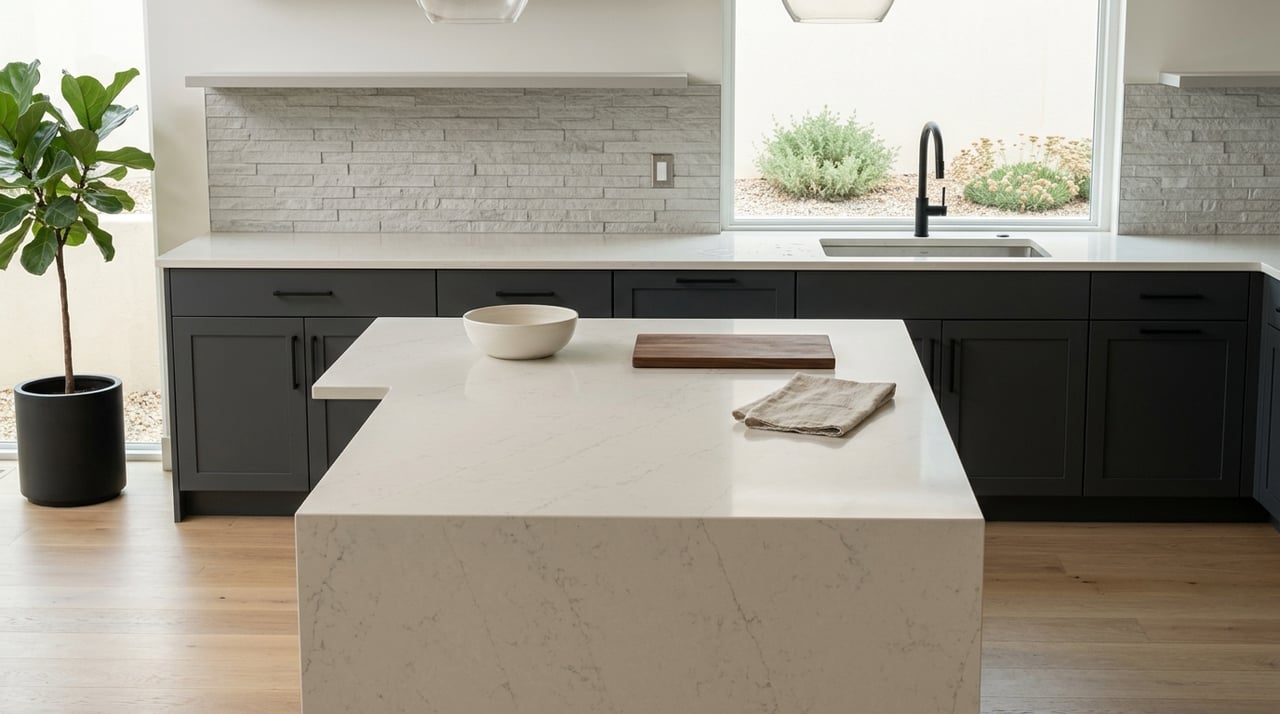
Selling Your Dayton Valley NV Home With Confidence
July 2, 2026
July 2, 2026
Are you wondering how to sell your Dayton Valley home without second-guessing every step? That feeling is common, especially when pricing, prep, disclosures, and buyer expectations can all affect your outcome. The good news is that with the right plan, you can move forward with more clarity, fewer surprises, and a stronger sense of control. Let’s dive in.
Dayton is not a one-size-fits-all market. Lyon County land-use and character maps show a mix of historical, rural, suburban, low-density residential, rural residential, suburban residential, commercial, mixed-use, and open-space areas. That means two homes with similar square footage can attract different buyers based on lot size, utility setup, access, and setting.
The local numbers also support a thoughtful selling strategy. Census data shows Dayton has a 79.9% owner-occupied housing rate, 5,842 households, a median household income of $102,819, and a mean commute time of 30.8 minutes. With 91.8% of residents living in the same home one year earlier, Dayton appears to be a relatively stable, owner-occupied community with many residents connected to regional commuting patterns.
That matters when you sell. Buyers in Dayton may be looking for different things than buyers in a more uniform subdivision market, so your pricing, presentation, and disclosures should reflect your specific property and micro-area.
As of May 2026, Realtor.com reports a median listing price of $489,900 in Dayton and a median sold price of $484,500. The same report shows 153 homes for sale, a median of 41 days on market, and a 100% sale-to-list ratio. The market is described as a seller’s market, which gives sellers useful momentum, but it does not remove the need for careful pricing.
Compared with the broader area, Dayton sits near local and statewide price levels. Realtor.com reports a median listing price of $469,950 across Lyon County and about $484,000 statewide in Nevada. Even so, Dayton has much tighter inventory than Lyon County overall, which can shape competition and buyer urgency.
Census data adds another helpful layer. The median value of owner-occupied homes in Dayton is $433,200, compared with $366,100 in Lyon County. That suggests Dayton homes may command a county premium, but your actual sale price will still depend on condition, updates, location, and buyer appeal.
One of the biggest mistakes sellers make is building a price around the highest nearby listing instead of the strongest comparable sales. Nevada pricing guidance cited in the research report emphasizes using recent comparable sales, current market factors, and property condition. In Dayton, that also means choosing comps from the right micro-area and adjusting for differences like lot size, utility type, upgrades, and overall condition.
This is especially important because the gap between Dayton’s median listing price of $489,900 and median sold price of $484,500 is small, but meaningful. Buyers are still paying attention to value. If your home is priced too high for its condition or setting, you may lose momentum early.
A solid pricing approach often includes:
In a place like Dayton Valley, pricing is part data and part local interpretation. That is where detailed market knowledge can help you sell with more confidence.
A confident sale usually starts well before the listing goes live. Pre-listing prep can help you identify issues early, improve presentation, and reduce the odds of stressful surprises after you accept an offer.
According to the research report, a pre-listing inspection can help sellers spot problems before listing, allow more time for repairs, and support more accurate pricing. ASHI notes that these inspections typically review major systems and components like the roof, HVAC, electrical, plumbing, structure, interior, and exterior. NAR also notes that pre-list inspections can help prevent surprises that derail contracts.
For many Dayton Valley homes, this step can be especially useful. If your property includes a well, septic system, acreage, or rural-residential features, buyers may look closely at system history and documentation during due diligence.
Not every home needs a full renovation before sale. In many cases, the best return comes from handling visible maintenance issues and system concerns that could create buyer hesitation.
Think in terms of repairs that improve confidence, such as:
When buyers feel that a home has been cared for, they are often more comfortable moving forward.
You do not always need elaborate staging, but presentation matters. NAR’s 2025 staging report found that 83% of buyers’ agents said staging makes it easier for buyers to visualize a future home. The same report found that 19% of sellers’ agents reported a 1% to 5% increase in the dollar value offered when a home was staged.
The biggest staging impact was reported in the living room, primary bedroom, and kitchen. Even if you do not fully stage the house, decluttering, simplifying decor, and fixing obvious property faults can improve how buyers respond.
Online presentation is part of this process too. The research report notes that photos, physical staging, videos, and virtual tours all matter to clients. That means your home should be prepared not only for in-person showings, but also for the first impression buyers get on their screens.
In Dayton Valley, selling confidence often comes from being organized. Lyon County building guidance ties residential approvals to documented water and sewer service, which may include a utility will-serve letter, a well driller’s contract, septic application with perc-test data, or proof of existing utility service.
The county also states that single-family residences may not share a domestic water well. It further notes that residential septic failures require county-permitted inspection and approval. For sellers, this makes utility history and parcel documentation an important part of the listing package, especially for acreage or rural-residential homes.
If your home has a well, septic, or a larger parcel, it helps to gather documents early. A cleaner file can make buyer due diligence easier and reduce the chance of last-minute renegotiation.
Depending on the property, useful records may include:
You may not need every item, but the more complete your file is, the more prepared you will feel once buyers begin asking questions.
Nevada law requires a seller to complete and serve the residential property disclosure form at least 10 days before conveyance. Under NRS 113.130, the seller’s agent may not complete the form for the seller. If a new defect is discovered, or an existing defect worsens after the form is served, written notice must be given before closing.
Nevada Administrative Code also says the disclosure form must address the condition of the property and foundation, plumbing and sewer system, roof and exterior walls, and water source and septic tank details. In Dayton, where some homes have more complex utility setups, that makes early diligence even more important.
The goal is not to create fear. It is to create accuracy. When you understand your property’s condition and organize your records before listing, it becomes easier to complete disclosures carefully and avoid preventable closing issues.
Selling with confidence does not mean guessing that everything will work out. It means having a plan based on local data, realistic pricing, solid preparation, and clear documentation.
In Dayton Valley, that often includes knowing how your property fits into its specific area, preparing the home for both online and in-person marketing, and addressing utility or disclosure questions before they become obstacles. This is where practical guidance can make a real difference, especially for homes with acreage, wells, septic systems, or unique parcel features.
The Feist Group brings a practical, detail-oriented approach that fits this kind of market. With local Northern Nevada knowledge, inspection and escrow experience, and full-service listing support, the team helps sellers move through the process with more clarity and less friction.
If you are thinking about selling your Dayton Valley home and want a steady, informed plan, The Feist Group can help you prepare, price, and market your property with confidence.
We pride ourselves in providing personalized solutions that bring our clients closer to their dream properties and enhance their long-term wealth. Contact us today to discuss all your real estate needs!

THE FEIST GROUP
1674 US HIGHWAY 395 N MINDEN NV 89423