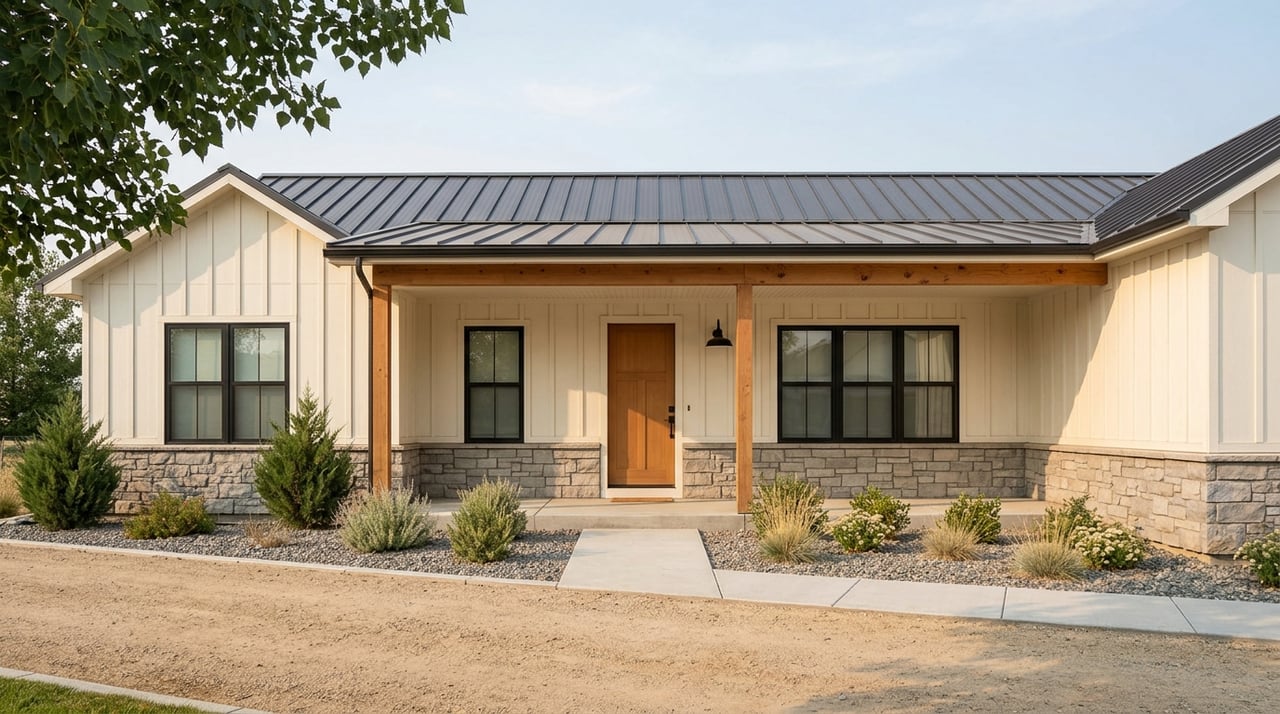
Preparing Your Wellington, NV Home For A Smooth Sale
April 23, 2026
April 23, 2026
Selling a home in Wellington is not just about tidying up the living room and taking a few nice photos. On rural and acreage properties, buyers often look just as closely at wells, septic systems, fencing, access, and site condition as they do at the house itself. If you want a smoother sale with fewer surprises, it helps to prepare both the home and the property before you list. Let’s dive in.
In Wellington and the broader Smith Valley area, property details can carry real weight during a sale. According to Lyon County’s residential information letter, permit and approval materials may involve water and sewer service, utility will-serve letters, well-driller contracts, septic application materials, perc-test data, or proof of existing utilities.
That matters because buyers may ask questions early about how the property functions, not just how it looks. Lyon County also notes that single-family homes cannot share a domestic water well, and some properties may need road-encroachment or mass-grading approvals.
If your property is in Mason or Smith Valleys, site-related approvals can also be part of the story. The Walker River Irrigation District is involved in approvals tied to irrigation-served agricultural areas, so having records organized can help you avoid delays.
You do not need to fix every small cosmetic issue before listing. The smarter approach is to prioritize repairs that could affect financing, insurance, safety, or a buyer’s confidence.
The National Association of Realtors says a pre-sale inspection can help you identify issues before buyers do, and inspectors commonly review the structure, roof, plumbing, electrical systems, HVAC, interiors, ventilation, insulation, and fireplaces. NAR also notes that common concerns can include structural issues, drainage problems, faulty wiring, HVAC trouble, and missing smoke or carbon-monoxide alarms. You can review that guidance in NAR’s consumer guide to preparing to sell your home and home inspection overview.
For many Wellington sellers, these items deserve attention first:
These are often the repairs most likely to come up during inspections and negotiations. If a major repair will not be completed before listing, NAR recommends getting a cost estimate so you understand how buyers may factor it into their offers.
A pre-listing inspection is optional, but it can be especially useful on rural properties. When your home includes acreage, outbuildings, or utility systems that are less common in suburban neighborhoods, early information can help you plan repairs and pricing more confidently.
A pre-listing inspection can also reduce the chances that a buyer uncovers a major issue late in escrow. Even if you choose not to repair everything, knowing what exists gives you time to gather bids, organize records, and prepare for buyer questions.
You may want to consider a pre-listing inspection if:
Wellington-area homes sit in a hot, dry valley climate. NOAA climate normals for nearby Yerington show July average highs of 93.4°F and annual precipitation of just 4.58 inches, which helps explain why exterior wear can show up quickly in this market. You can see that climate data through NOAA’s normals report.
Because of those conditions, buyers may notice dusty surfaces, faded paint, stressed landscaping, worn fencing, and irrigation issues right away. Exterior preparation is not just about curb appeal. It also signals that the property has been maintained.
Before photos and showings, focus on:
Staging works because it helps buyers picture themselves in the space. In NAR’s 2025 staging report, 29% of agents said staging led to a 1% to 10% increase in the dollar value offered, while 49% said it reduced time on market. The same report found that 83% of buyers’ agents said staging made it easier for buyers to envision a property as their future home. See the full findings in NAR’s staging report.
In Wellington, staging should include the land and outdoor improvements too. Buyers are not only evaluating the interior. They are also taking in how the full property functions.
If your property includes acreage or equestrian features, aim for a clean and orderly presentation:
This kind of prep can make listing photos stronger and showings easier to navigate. NAR also notes that photos, videos, and virtual tours are highly important to buyers, so exterior order and bright, clean spaces should be part of your marketing prep from the start.
One of the best ways to reduce stress during escrow is to gather records early. On a Wellington property, missing paperwork can slow down the process even when the home itself is in good shape.
Lyon County’s guidance makes clear that water, sewer, septic, and permit documentation may be relevant in residential approvals. The county also notes that septic-related occupancy approval may require as-built plans and well logs, and that floodplain approvals or road-encroachment permits may apply in some situations.
Try to assemble a property file with:
Having this information ready can make it easier to answer buyer questions quickly and accurately.
Seller disclosures should never be left for the last minute. Under Nevada law, the residential disclosure form must be completed and delivered at least 10 days before conveyance.
Just as important, if a new defect appears or an existing defect gets worse after the disclosure is delivered, the seller must disclose that change in writing before closing. Nevada also has separate disclosure rules for homes or lots adjacent to open range, and some sales require written notice about adjoining parcels’ zoning classifications and master-plan land-use designations.
Starting disclosures early gives you time to:
Clear and timely disclosure supports a smoother transaction and helps build buyer trust.
Usually, no. Most sellers are better served by fixing the issues that create the biggest risk, then pricing and preparing the property with the remaining condition in mind.
That means safety issues, active leaks, roof concerns, drainage problems, HVAC trouble, electrical hazards, and well or septic concerns usually come first. Cosmetic flaws matter less unless they seriously affect photos, showings, or first impressions.
If a bigger item will stay as-is, get an estimate and be ready for it to come up in negotiations. That way, you can make decisions from a place of preparation instead of reacting under pressure.
Preparing your Wellington home for sale means looking beyond surface-level cleanup. When you take time to address key repairs, organize records, prepare outdoor features, and handle disclosures early, you give yourself a better chance at a cleaner listing process and a steadier escrow.
If you want practical guidance tailored to your property, The Feist Group brings local knowledge, hands-on transaction experience, and thoughtful seller support to help you prepare with confidence.
We pride ourselves in providing personalized solutions that bring our clients closer to their dream properties and enhance their long-term wealth. Contact us today to discuss all your real estate needs!

THE FEIST GROUP
1674 US HIGHWAY 395 N MINDEN NV 89423