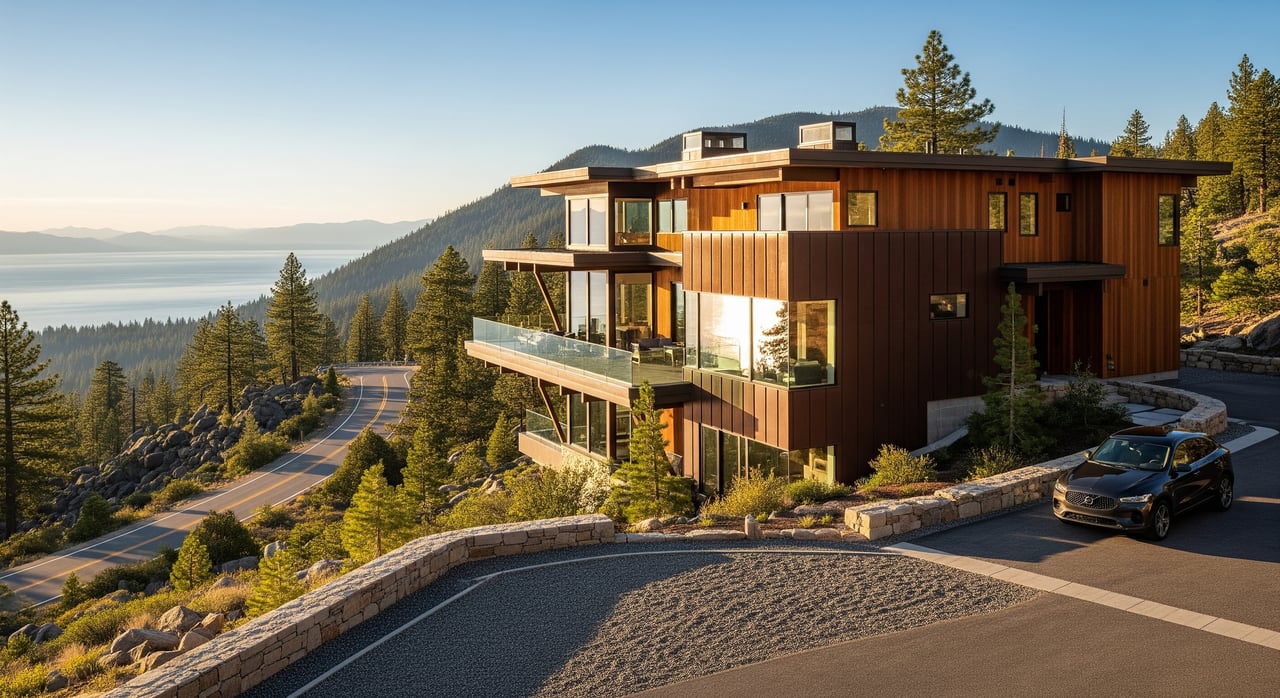
Commuting From Stateline, NV: Kingsbury Grade 101
November 6, 2025
November 6, 2025
What is it really like to commute from Stateline on Kingsbury Grade in every season? If you are weighing a move or dialing in a hybrid schedule, the mountain miles, winter chain controls, and tourist peaks can feel like a lot to juggle. You want a realistic plan, not guesswork. This guide breaks down your main routes, timing patterns, winter prep, and smart planning tips so you can travel with confidence. Let’s dive in.
SR‑207, known locally as Kingsbury Grade, climbs from Stateline up to meet US‑50 near Spooner Summit. It is a two‑lane mountain road with curves, grades, and limited shoulders. US‑50 runs along the south shore, then heads east through the Carson Valley toward Carson City and Reno, or west toward Meyers and on to Placerville and Sacramento.
Kingsbury Grade is direct but narrow in places, so single incidents can create delays. US‑50 on the south shore includes commercial stretches with traffic lights and lower speeds, then becomes a faster highway east of town. Both routes see winter storms that bring chain controls, metered traffic at chain‑up areas, and occasional closures. Before winter trips, check NDOT road conditions and cameras for SR‑207 and US‑50.
Daily commuters most often head to Carson City and the broader Carson Valley for public sector, healthcare, retail, and manufacturing jobs. Some commute to Reno, typically by taking US‑50 east through Carson City and then I‑580 north. Others work locally in the Stateline and South Lake Tahoe trade area.
In fair weather, many Stateline to Carson City trips come in under an hour, depending on your exact start and finish and time of day. Winter storms, chain controls, or a single incident on a two‑lane segment can quickly double that. Reno runs are commonly over an hour in clear conditions, with winter adding substantial time.
Weekday peaks line up with standard work hours in the morning and late afternoon. On weekends, ski season, and summer holiday periods, expect heavier local traffic and unpredictable slowdowns near resort access points and commercial hubs on US‑50. These tourist surges can cause short to multi‑hour delays even without weather.
Chain controls on the California side are enforced by the California Highway Patrol. Nevada segments are managed by NDOT and local law enforcement. Use official channels before every winter trip:
Compliance matters. If you ignore posted chain requirements, you risk citations, being turned back, or getting stranded. Some vehicles, trailers, or RVs can face additional restrictions even when chains are optional for others. When in doubt, wait it out.
Paving, striping, guardrail, and roadside clearing work usually occur from late spring through fall and can create daytime single‑lane control on two‑lane mountain routes. Rockfall mitigation, drainage repairs, and storm damage fixes can happen with little notice. In winter, snow removal and cleanup operations can cause rolling closures and delays.
Planned projects are often announced ahead of time. Emergency repairs and crash response are not. Build in buffer time, especially on Kingsbury Grade where a single incident can back up traffic in both directions. If conditions are marginal, consider shifting your start time or working remote until roads improve.
Living in Stateline gives you access to Carson Valley and Tahoe, but your commute runs through true mountain corridors. With a clear plan, the right gear, and a flexible mindset in winter, you can keep your trips predictable and safe. Use official updates, give yourself runway on storm days, and make hybrid schedules work for you.
If you are planning a move and want practical, local guidance on commute tradeoffs, timing, and neighborhoods, The Feist Group is here to help you map it out and move with confidence. Schedule a Free Consultation to talk through your goals and commute needs.
We pride ourselves in providing personalized solutions that bring our clients closer to their dream properties and enhance their long-term wealth. Contact us today to discuss all your real estate needs!

THE FEIST GROUP
1674 US HIGHWAY 395 N MINDEN NV 89423