Carson City Or Dayton Valley: How To Choose A Home
February 19, 2026
February 19, 2026
Torn between the convenience of Carson City and the space of Dayton Valley? You are not alone. Many buyers weigh a shorter commute and city services against bigger lots and a quieter, rural feel. In this guide, you will learn how each area stacks up on commute times, housing and lot sizes, pricing snapshots, utilities and growth, amenities, schools, and risk checks like wildfire and flood. By the end, you will have a clear, practical checklist to help you decide. Let’s dive in.
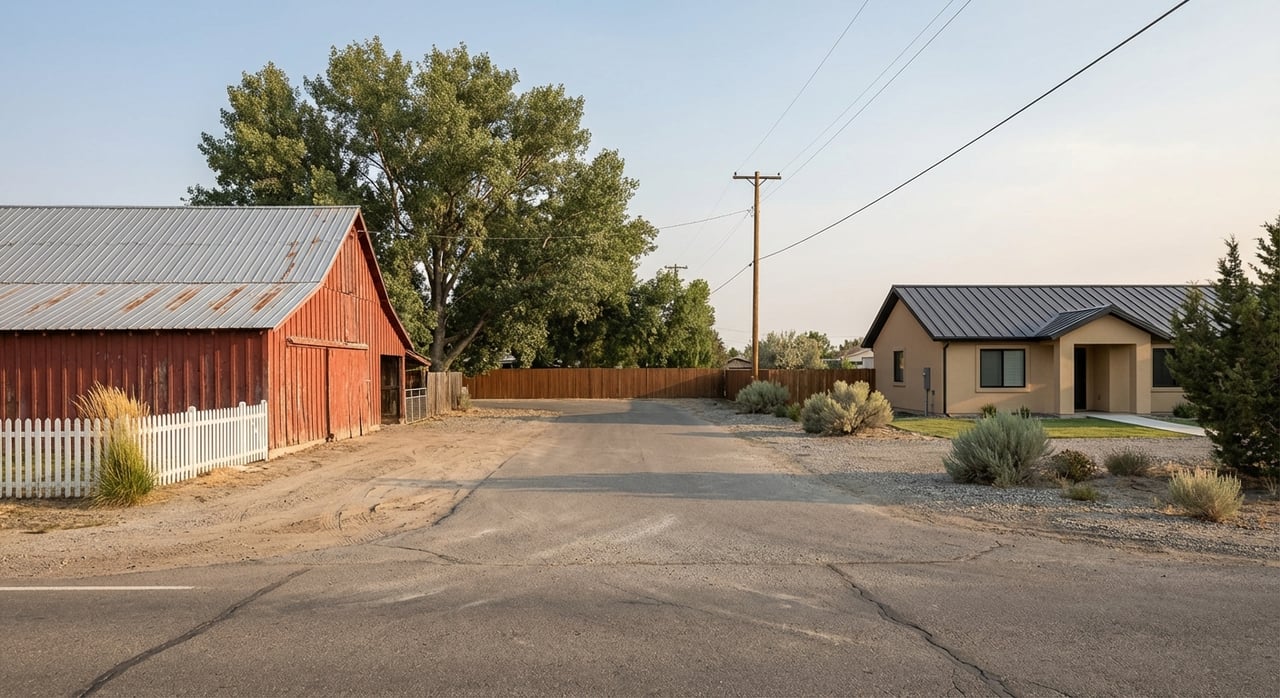
Carson City offers a true city center with municipal water and sewer, a regional hospital campus, and walkable pockets near downtown. Dayton Valley brings a more rural and semi‑rural lifestyle with a mix of new subdivisions and larger acreage parcels.
Bottom line: Choose Carson City if you want shorter daily drives, more immediate services, and smaller-lot options. Choose Dayton Valley if you prioritize space, privacy, and a quieter setting, and you are comfortable being car dependent.
Carson City offers historic homes, mid‑century properties, and planned suburban neighborhoods. City planning materials reference zones like SF6 and SF12, which translate to common lot minimums around 6,000 to 12,000 square feet in many neighborhoods. Some newer subdivision proposals cite minimums from 6,000 to about 14,000 square feet. This gives you more options if you prefer a smaller yard, infill living, or proximity to downtown services.
Dayton and the Mound House corridor include suburban-residential categories like SR‑12000 and larger rural residential options. You will find many half‑acre, 1‑acre, and multi‑acre parcels, alongside newer builder subdivisions on more traditional lots. If you want room for outbuildings, RVs, a shop, or horses, Dayton Valley tends to provide more of those opportunities. Always confirm zoning for horses, accessory structures, and any special uses before you make an offer.
As of January 31, 2026, the Zillow Home Values Index places Carson City’s typical home value at about $483,975. For Dayton, Realtor.com’s market overview reported a median listing price of about $479,000 in December 2025. These are snapshots, not guarantees. They are helpful for context, but market conditions shift month to month.
What this means for you: Median numbers hide a wide range. In both areas you will see entry-level options, including some older or manufactured homes, and higher-priced homes on larger lots or in premium pockets. Read pricing through the lens of location, lot size, and utility type. Always ask your agent for current MLS data and recent comparable sales when you are ready to write an offer.
Most in‑city parcels connect to municipal water and sewer. The City’s Public Works Water Division provides details on services and connections. You can review current city utility information through Carson City’s Water Division. During escrow, ask for written confirmation of the service type and any connection records.
Lyon County Utilities serves parts of Dayton and Mound House. Some parcels also rely on private wells and septic systems. If you are considering new construction or a newer subdivision, be aware that Lyon County announced in October 2024 a pause on certain will‑serve letters, final maps, and building permits in portions of Dayton tied to Aspen Creek rapid infiltration basins. This can affect timing and availability for some projects. Read the county’s utilities overview and follow up directly on any active projects: Lyon County Utilities. For context on the pause, see the county update reported by Carson Now: Lyon County pauses certain will‑serves and permits in Dayton.
Practical tip: Ask two questions on every Dayton Valley property. First, is it on county water and sewer or well and septic. Second, if it is in or near a newer subdivision, are there any current will‑serve or permit constraints that could affect closing or building.
Parts of Dayton, Mound House, and valley‑edge areas are identified as moderate to moderate‑high hazard in Lyon County wildfire assessments. Before you buy, ask for any defensible‑space documentation and consult local fire‑district guidance on fuels reduction and hardening. You can review county wildfire hazard context through the Lyon County wildfire hazard summary.
Low‑lying parcels near the Carson River and tributaries can fall within FEMA flood zones, which may trigger lender insurance requirements. Before you make an offer, run a flood‑zone lookup and request an insurance estimate. You can start with a Nevada flood‑zone reference here: Flood-zone overview for Carson City region.
There is no right or wrong answer, only the lifestyle and logistics that fit you best.
Use this quick list before you tour.
Choosing between Carson City and Dayton Valley comes down to tradeoffs you can measure: minutes on the road, size of your lot, type of utilities, access to care and services, and your appetite for rural living. We help you test those assumptions with real drive times, zoning checks, utility confirmations, and current MLS data, then align the search to your budget and lifestyle.
If you want a calm, step‑by‑step path to a confident decision, reach out to The Feist Group. Our family roots in the Carson Valley, inspection and escrow experience, and full‑service buyer representation make the process clear and low stress. Schedule a Free Consultation and let’s build your compare‑and‑choose plan together.
We pride ourselves in providing personalized solutions that bring our clients closer to their dream properties and enhance their long-term wealth. Contact us today to discuss all your real estate needs!

THE FEIST GROUP
1674 US HIGHWAY 395 N MINDEN NV 89423